


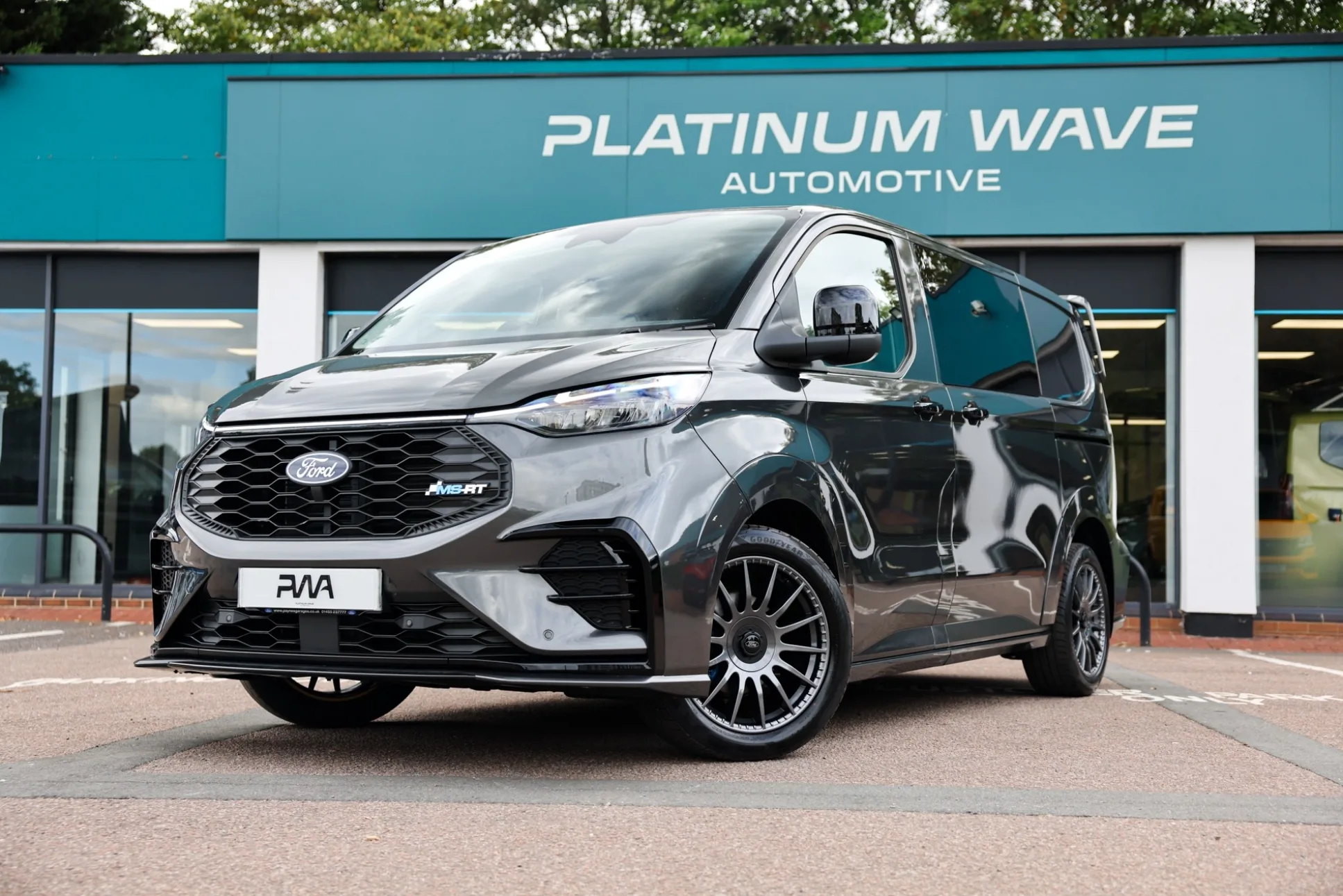
Sole traders can enjoy tax benefits by combining their personal vehicle needs and their business vehicle needs into one.
A dual purpose vehicle occupies the middle ground between a commercial van and a passenger vehicle. So you can reliably carry cargo for your business during the week, and then load up the van for a family road trip on the weekend.
If you’re considering a dual purpose vehicle for your business, read on to learn more about the benefits and how to choose the right one for your needs.
What is a Dual-Purpose Vehicle?
The phrase “dual purpose vehicle” is not just descriptive; it’s a legal definition that helps to determine if the vehicle should be treated as a personal vehicle or a commercial vehicle. This impacts everything from speed limits to tax benefits.
A dual purpose vehicle is defined as a vehicle that is designed to carry both passengers and cargo, with an unladen weight of no more than 2,040 kg. It must also be a four-wheel drive, or have the option to switch to four-wheel drive.
If it isn’t four wheel drive, then it must have a permanent rigid roof, at least one row of side-by-side passenger seats behind the drive, side and rear windows, and a specific ratio between passenger space and cargo space.
Vehicles like the VW T7 Kombi and the Ford Transit Crew Cab are perfect examples of this vehicle category.
What Makes a Great Dual-Purpose Van?
A dual purpose kombi van offers versatility, allowing you to use one vehicle for both business and personal needs. It also allows you to enjoy a comfortable, car-like driving experience; perfect for navigating busy city streets and longer motorway drives alike.
A kombi van will also fit into parking spaces and driveways with ease, so you’ll never have to worry about finding suitable parking.
Cargo space is also optimised, and some models like the VW T7 Kombi will even allow you to tumble forward the first row of seats, or remove them entirely. This means you essentially get a crew van and a panel van in one.
Crew vans typically offer seating that is similar to a passenger vehicle, with 2 seats up front and a row of 3 seats in the rear. This makes it ideal for transporting customers and clients for your business, while also transitioning into a family vehicle outside of work hours.
Top Dual-Purpose Van Picks for Sole Traders
We stock two of the market leading dual purpose crew vans: the VW T7 Kombi and the Ford Transit Crew Cab. While there may be other options available (including the Renault Trafic and the Mercedes-Benz Sprinter Crew Cab), we’re going to focus on the vans we currently stock.
In terms of size and layout, the two are remarkably similar. The main difference being that the Ford Transit Crew Cab features a fixed bulkhead to create a passenger cab and cargo area. With the VW T7 Kombi, the rear seats will fold down and are also removable, offering even greater flexibility.
What to Consider When Choosing a Dual-Purpose Van
When choosing a van for business purposes, you’re likely to be more practical and pragmatic.
Consider the following when you’re buying a van as a sole trader:
Running Costs and Engine Options
Above all else, your running costs should be at the forefront of your mind. With the cost of living on the rise, business owners need to be level-headed in their approach.
Choosing an electric vehicle will come with higher upfront costs but lower running costs. There may be performance concerns if you are planning to transport heavy loads, and long-distance driving may be limited.
Most van owners opt for a diesel vehicle for efficiency and lower running costs. Buying second hand is also an option, as many commercial vehicles will often retain their value. However, with commercial vans, high mileage may be a concern. Buying from a reputable seller will help to provide some reassurance.
Sole Trader Tax and Accounting Costs
One of the main reasons to consider a dual purpose van is to make the most of the tax benefits. This can only be enjoyed when purchasing the van, not with a lease or hire van. Just be aware that personal use for a business van needs to be occasional, and heavy personal use is likely to raise some questions for your accountant.
Can I Claim the Cost of a Van as a Sole Trader?
You can use your Annual Investment Allowance (AIA) for the full cost of your van, however, since it’s a dual purpose van, you can only claim for the percentage related to business use.
Load Space vs Seating
There is limited space in the back of a combi van, so any space taken by seating will require you to sacrifice cargo space. This issue is easily resolved with the VW T7 Kombi, as it features tumble down and pull out rear seats, allowing you to turn your crew van into a panel van with ease.
For loading the cargo space, look for a van with a sliding side panel door and a tailgate rear door to provide shelter from the weather while loading.
Matching the Van to the Trade
If you need help matching the right van to your trade, let us guide you. We have extensive experience matching business owners to the right vehicle, so we know which vehicles are likely to perform the best under specific conditions.
Get in touch with our team today to discuss your business van needs, or visit our showroom to see our range of dual purpose vans for sole traders in action.
We make buying a van as a sole trader even easier with our guide on what key features look out for when looking for a reliable commercial van.
Frequently Asked Questions
Can I use my business van for personal family trips as a sole trader?
Yes, one of the benefits of a dual purpose van is that you can also use this for personal family trips. This means you don’t need a second vehicle. You’ll just need to have a system for separating personal trips from work trips when you claim mileage.
Is an electric dual-purpose van practical for a sole trader?
Choosing an electric van could be an excellent way to lower carbon emissions for your business. But you need to balance practical concerns, such as accessibility of charging stations and the mileage of a single charge. Speak to our team today about the best dual purpose van to suit your business.
What is the difference between a panel van and a crew/combi van?
The vehicle frame might be the same, but how the space is divided inside is very different. The main distinction is that a crew or combi van will have at least one row of seats for passengers behind the driver.
How can I add branding to my dual-purpose van?
Yes, a branded van is an incredible marketing tool for your business. We take care of vehicle branding, which can include decals and signage along with more subtle branding like custom interiors in brand colours.
Approved by: William Boyle
Managing Director, Platinum Wave Automotive
Published: 28th September 2026